

What our driveway restoration includes
More than a surface wash
We clean, allow for drying and return attention to the joints for a more complete result.
Hard-setting re-sanding
We use hard-setting sand to replenish joints after cleaning where the paving suits it.
Clear staged process
You know why inspection, cleaning, drying and re-sanding happen in that order.
When cleaning alone will not finish the job
Some driveways need more than surface dirt removed. If block paving joints are depleted, weeds have taken hold or the finish looks incomplete after cleaning, restoration makes more sense than stopping halfway. We carry out a full process that cleans the surface and then addresses the joints as part of the finished result. We explain each stage so you know why restoration takes more than one step.
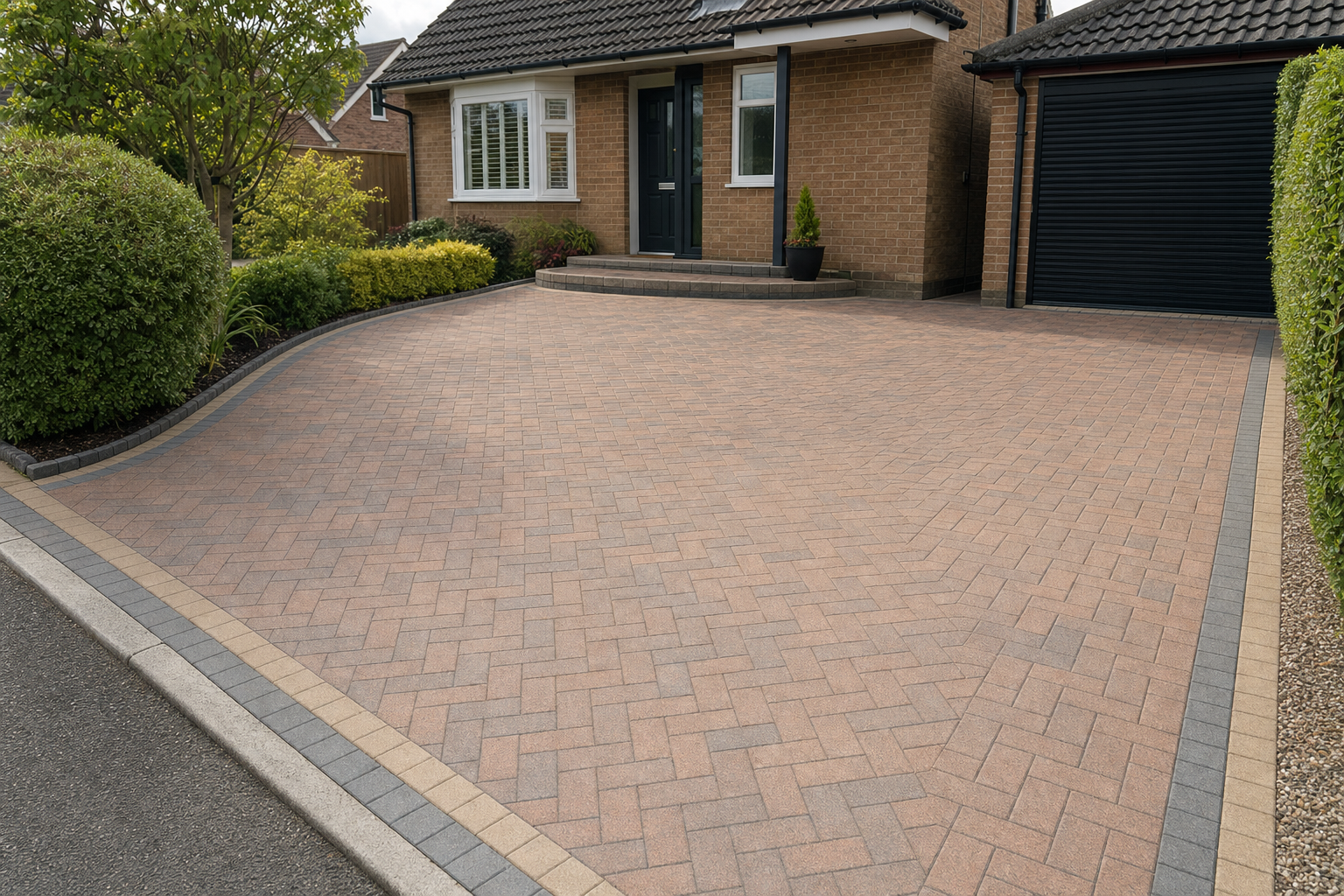
Why drying time and re-sanding both matter
After cleaning, block paving needs time to dry before re-sanding can be done properly. We use hard-setting sand for this stage to replenish material removed from the joints and leave a fuller finish. We also look at paving type, joint condition, staining, weed growth and drainage because those details affect how well a driveway can be restored.
Frequently asked questions
What is the difference between cleaning and restoration?
Cleaning removes surface dirt, growth and staining. Restoration goes further by dealing with the condition of the joints and the finished surface, which matters when block paving looks tired or incomplete after washing alone.
Why does the driveway need to dry before re-sanding?
Drying time matters because new jointing material needs the right conditions to settle properly. If the paving is still too wet after cleaning, re-sanding can be less effective and the overall finish will not be as complete.
Does every driveway suit re-sanding work?
Not always. We look at the paving type, the state of the joints and the condition of the underlying installation first. That helps us judge whether re-sanding is appropriate and what sort of finish you can realistically expect.